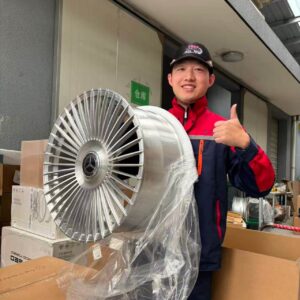

The wheel industry is flooded with products claiming premium quality. Many beautiful wheels fail catastrophically because manufacturers cut corners on materials. Your safety depends on understanding what truly makes wheels premium.
Premium forged wheels primarily use 6061-T6 aluminum alloy, though specific applications may require 7075-T6 for extreme heat or magnesium alloys for ultimate weight reduction. The material choice directly impacts strength, durability, and safety performance.
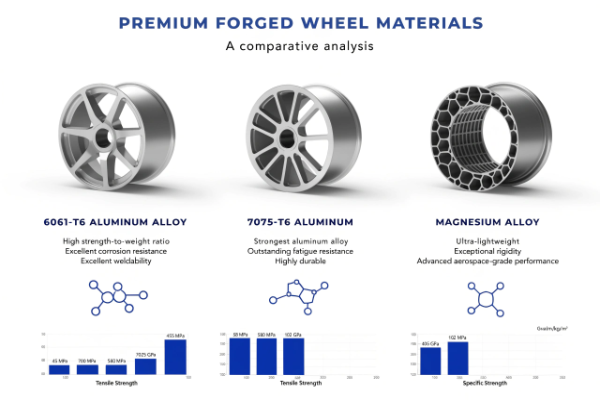
Material selection separates genuine premium wheels from marketing hype. I’ve seen too many wheels crack under normal driving conditions because manufacturers chose inferior materials to cut costs.
What Makes Wheels Premium?
Premium wheels seem expensive until you understand the hidden costs of inferior alternatives. Many manufacturers use recycled scrap metal instead of certified aluminum ingots. This creates unpredictable performance and potential safety hazards.
Premium wheels are defined by material traceability, manufacturing precision, and rigorous quality control. They use aerospace-grade aluminum alloys with documented chemical composition, high-pressure forging, and comprehensive testing protocols.
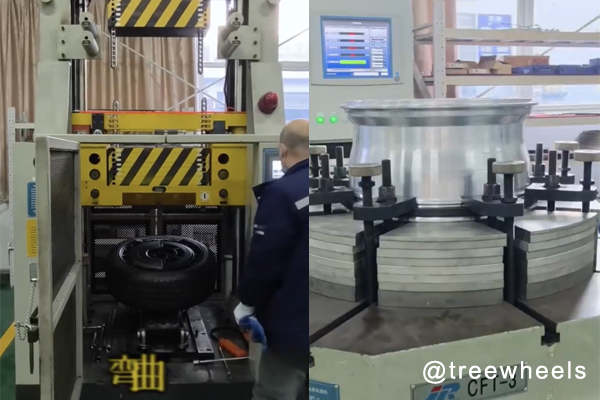
Premium wheels start with material traceability certificates. When I visit our manufacturing partner, I can see the difference immediately. Premium wheels use aluminum ingots with documented chemical composition, not recycled scrap metal. The forging pressure matters too. We use 8000-ton presses versus the 3000-ton presses used for standard wheels. This creates a denser grain structure.
I’ve tested wheels from competitors who claim premium quality. When you cut them open, you can see porosity and inconsistent grain flow. Real premium wheels also undergo X-ray inspection for internal defects. We reject about 3% of our production due to microscopic flaws that cheaper manufacturers would ship.
The manufacturing process requires precise temperature control and timing. Each step affects the final product’s strength and durability. Premium manufacturers invest in proper heat treatment facilities and quality control equipment. This investment translates into wheels that perform consistently under stress.
| Premium Features | Standard Features |
|---|---|
| Certified aluminum ingots | Recycled materials |
| 8000-ton forging pressure | 3000-ton pressure |
| X-ray defect inspection | Visual inspection only |
| Heat treatment certification | Basic processing |
What Is the Best Metal for Forged Wheels?
Different metals serve different purposes in wheel manufacturing. The best choice depends on your specific application and performance requirements. Cost considerations often drive material selection, but safety should never be compromised.
6061-T6 aluminum works for 90% of applications, offering the best balance of strength, weight, and cost. For extreme conditions, 7075-T6 aluminum provides higher temperature resistance, while magnesium alloys offer maximum weight reduction.
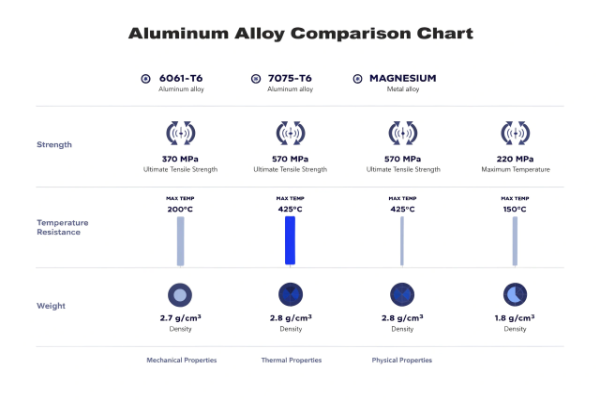
6061-T6 aluminum works for 90% of applications, but I choose materials based on specific use cases. For our Dubai clients who track their supercars in 50°C heat, I recommend our 7075-T6 aluminum. It costs 40% more but maintains strength at high temperatures. For Canadian winter driving, 6061-T6 handles thermal cycling better.
I tested A356 aluminum (common in cast wheels) for forged applications. It cracked during impact testing at -20°C. The material simply wasn’t designed for forged wheel applications. Magnesium alloy AZ91D reduces weight by 35%, but I only recommend it for clients who garage their cars. Road salt destroys the protective coating within two years.
Titanium offers incredible strength-to-weight ratios but costs become prohibitive for most applications. Carbon fiber wheels exist but present safety concerns for street use. The material’s brittle nature makes it unsuitable for impact scenarios. Steel remains relevant for heavy-duty applications but weight penalties make it impractical for performance vehicles.
Each material requires different manufacturing approaches. Processing temperatures, cooling rates, and machining parameters must be adjusted accordingly. This complexity explains why many manufacturers stick with proven 6061-T6 aluminum alloys.
What Makes 6061-T6 Aluminum the Gold Standard for Forged Wheels?
The T6 designation represents a specific heat treatment process that transforms good aluminum into exceptional material. This treatment creates the perfect balance between strength and workability. Understanding this process helps explain why 6061-T6 dominates the premium wheel market.
6061-T6 aluminum achieves 310 MPa tensile strength through precise heat treatment, offering superior strength-to-weight ratio, excellent machinability, and consistent performance across temperature ranges. The T6 process creates optimal grain structure for impact resistance.
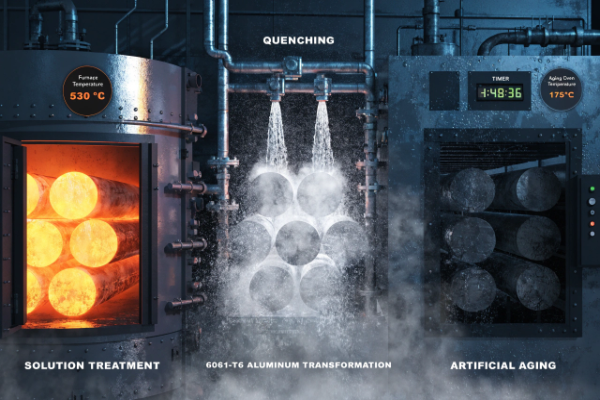
The magic happens during the T6 heat treatment cycle. We solution-treat at 530°C for exactly 2 hours, then water quench to lock in the microstructure. The aging process at 175°C for 8 hours is critical. Go longer and you over-age the material, losing 15% strength. I’ve seen manufacturers skip the aging step to save time and cost.
The silicon and magnesium content in 6061 creates the magic. The composition includes 0.4-0.8% silicon and 0.8-1.2% magnesium. These elements create precipitates during aging that strengthen the aluminum matrix. This gives us 310 MPa tensile strength versus 124 MPa for non-heat-treated 6061-O. The elongation stays around 12%, providing enough ductility to absorb impacts without brittle failure.
Temperature control during processing requires precision equipment. Variations of even 10°C can affect final properties. The quenching rate must be fast enough to prevent precipitation during cooling. Proper aging temperature and time create the optimal balance between strength and toughness.
Quality control testing verifies each batch meets specifications. Tensile testing, hardness measurements, and microstructure analysis ensure consistency. This level of control explains why 6061-T6 commands premium pricing over standard aluminum alloys.
How Does Material Selection Impact Wheel Performance and Safety?
Material choices affect every aspect of wheel performance. Weight distribution impacts vehicle handling. Thermal properties influence brake cooling efficiency. Grain structure determines impact resistance and fatigue life. Poor material selection can lead to catastrophic failure during normal driving conditions.
Material selection directly affects safety through impact resistance, fatigue life, and thermal performance. Poor materials cause stress concentrations, reduced brake cooling, and potential catastrophic failure. Proper selection ensures predictable performance across operating conditions.
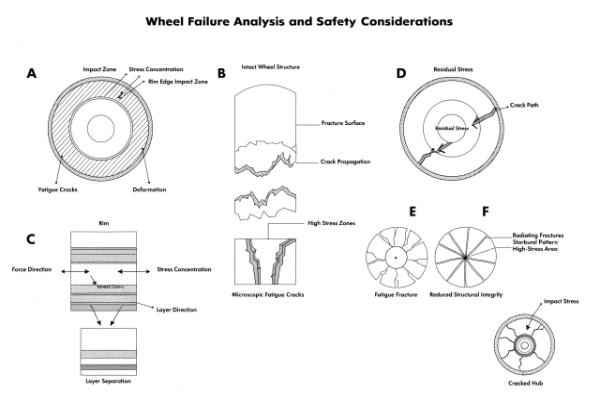
I learned this lesson expensively during our early production. We had a batch of wheels made from 6063 aluminum instead of 6061. The supplier thought they were interchangeable. Three wheels cracked during routine driving within 6 months. The difference comes down to tensile strength. 6063 has lower tensile strength (214 MPa vs 310 MPa) and different thermal expansion properties.
Material also affects machining quality. 6061-T6 machines cleanly with sharp edges, while softer alloys tear and create stress concentrations. These microscopic defects become crack initiation points under cyclic loading. For our three-piece wheels, I specify different materials for different components. We use 6061-T6 for the center, 2024-T4 for the lip (better fatigue resistance), and 7075-T6 for bolts (highest strength).
Temperature cycling affects material properties over time. Testing shows 6061-T6 maintains 95% of its strength after 10,000 cycles from -40°C to 80°C. Inferior materials degrade significantly under these conditions. Thermal conductivity affects brake performance too. Better thermal conductivity helps dissipate brake heat more effectively.
Corrosion resistance varies dramatically between materials. Road salt, brake dust, and environmental exposure attack different alloys at different rates. Material selection must consider the operating environment. Coastal environments require different considerations than desert or mountain climates.
| Material Property | Safety Impact | Performance Effect |
|---|---|---|
| Tensile Strength | Crack resistance | Load capacity |
| Thermal Conductivity | Brake cooling | Heat dissipation |
| Corrosion Resistance | Structural integrity | Appearance retention |
| Fatigue Life | Long-term durability | Replacement intervals |
Conclusion
Premium forged wheels depend on proper material selection, with 6061-T6 aluminum offering the best balance of strength, weight, and cost for most applications.
Tree Wheels uses only certified aerospace-grade materials with full traceability to ensure your safety and performance.