The automotive industry has lost its way. Aluminum wheels have become buried under technical specifications, weight reduction obsessions, and performance metrics. All while forgetting what they're truly made for.
The primary function of aluminum alloy wheels is aesthetic enhancement. While aluminum wheels provide benefits like improved weight distribution, better heat dissipation, and reduced weight compared to steel wheels, their fundamental purpose is to make vehicles look better—transforming what was once a hidden functional component into a key visual design element.
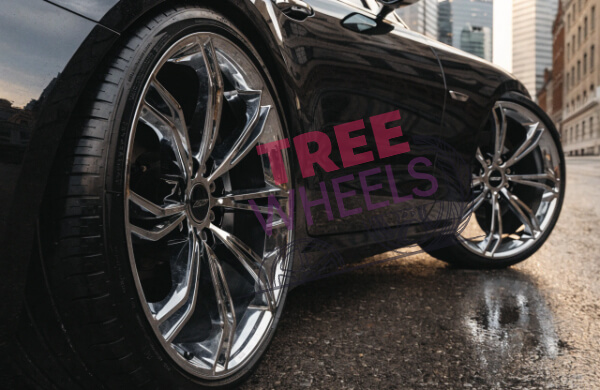
I remember when I first entered the wheel manufacturing business. A senior consultant, Mr. Miller, was asked what made aluminum alloy wheels superior. His simple answer stunned the room: "Looking better!" This unassuming truth has stayed with me through years of industry experience, even as I've watched our field drift away from this fundamental purpose.
How Did Mr. Miller's Simple Truth Reveal the Forgotten Purpose of Alloy Wheels?
Our industry suffers from collective technical anxiety. We're so focused on specifications that we've forgotten why consumers actually choose aluminum wheels over standard steel ones.
Mr. Miller's straightforward answer—"Looking better!"—cuts through the technical noise surrounding aluminum wheels. His insight reveals that while aluminum wheels offer technical advantages like improved heat dissipation, more uniform weight distribution, and reduced weight, these benefits are inherent to the material. The deliberate design choice to use aluminum primarily serves aesthetic purposes.
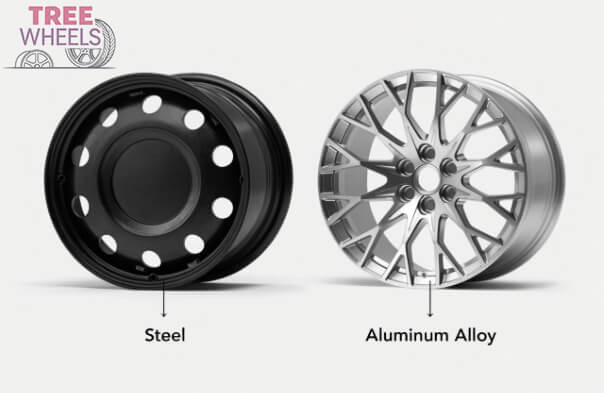
When I think about how our industry has evolved, I see a clear hierarchy in wheel attributes that many have forgotten. Aluminum alloy wheels have four main advantages: aesthetic appeal, weight uniformity, heat dissipation, and weight reduction at equivalent strength. However, these aren't parallel features—they follow a logical hierarchy.
Aesthetic appeal stands alone as the primary pursuit. For any properly manufactured aluminum wheel, uniformity and heat dissipation come automatically from the material's properties and production methods. The aluminum's thermal conductivity and precision machining ensure material distribution uniformity—these qualities are intrinsic to well-made aluminum wheels.
Weight reduction, while requiring active design considerations, must always maintain safety standards. The bottom line remains unchanged: in wheel design and manufacturing, our primary focus should be creating beautiful wheels that complement vehicle aesthetics, all while maintaining safety and profitability.
From a business perspective, wheels are commercial products. Manufacturers need reasonable profits to sustain operations and innovation. From the consumer side, wheel requirements boil down to two essential points: safety (the non-negotiable baseline) and aesthetic appeal (the value-added experience). The numerous technical specifications beyond these core needs are largely irrelevant to over 99% of consumers—they neither perceive nor care about them.
Why Does Aesthetics Trump Technical Specifications in Wheel Design?
The industry has become obsessed with technical specifications. Engineers chase numbers while forgetting that most customers can't perceive these marginal improvements.
Aesthetics trump technical specifications in wheel design because visual appeal is the primary factor influencing consumer purchasing decisions. While safety remains non-negotiable, consumers choose wheels based on how they enhance vehicle appearance rather than technical parameters like weight distribution or rotational inertia that they cannot perceive during normal driving conditions.
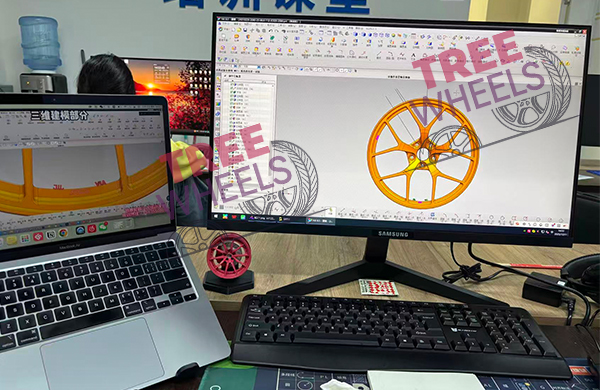
Our wheel manufacturing plant demonstrates this reality daily. When we display various wheel designs to clients, their first reactions are always visual—commenting on styling, finish quality, and how the wheels complement vehicle lines. Technical questions typically come later, and even then, they focus primarily on basic specifications and safety certifications rather than advanced performance metrics.
The disconnect between industry obsession and consumer priorities creates significant inefficiencies. We invest heavily in developing marginal technical improvements that average consumers cannot perceive, while sometimes neglecting the visual design elements that actually drive purchasing decisions.
Design Priority Hierarchy in Wheel Manufacturing
| Priority Level | Design Focus | Consumer Perception | Industry Reality |
|---|---|---|---|
| Primary | Visual Appeal | Immediately evident | Often secondary to technical specs |
| Secondary | Safety & Durability | Expected baseline | Emphasized through certifications |
| Tertiary | Weight Reduction | Minimal perception | Major engineering focus |
| Quaternary | Performance Optimization | Virtually unnoticeable | Heavily marketed |
This misalignment extends to testing and certification. Traditional testing methods (impact, bending fatigue, and radial fatigue tests) adequately cover real-world conditions. Yet some manufacturers now push for additional testing like "biaxial testing" without clear evidence these new standards actually improve safety outcomes. Each new test requirement increases costs and development time without proportional consumer benefits.
The automotive industry's collective technical anxiety creates an environment where manufacturers pursue specification improvements simply because competitors are doing the same, regardless of tangible consumer benefits. This pursuit of technical superiority for marketing purposes rather than actual user experience has become a form of industrial groupthink that diverts resources from what truly matters—creating visually striking wheels that enhance vehicle aesthetics while maintaining safety standards.
What Are the Diminishing Returns of Extreme Lightweighting in Alloy Wheels?
Lightweighting has become the industry's favorite buzzword. But pushing this concept to extremes brings serious concerns about safety, cost, and actual benefit.
Extreme lightweighting in alloy wheels produces diminishing returns because after achieving the initial significant weight reduction compared to steel wheels, further weight reductions yield minimal fuel economy or range improvements while exponentially increasing costs and potentially compromising safety. The marginal benefit of removing a few additional grams becomes negligible while manufacturing complexity increases substantially.
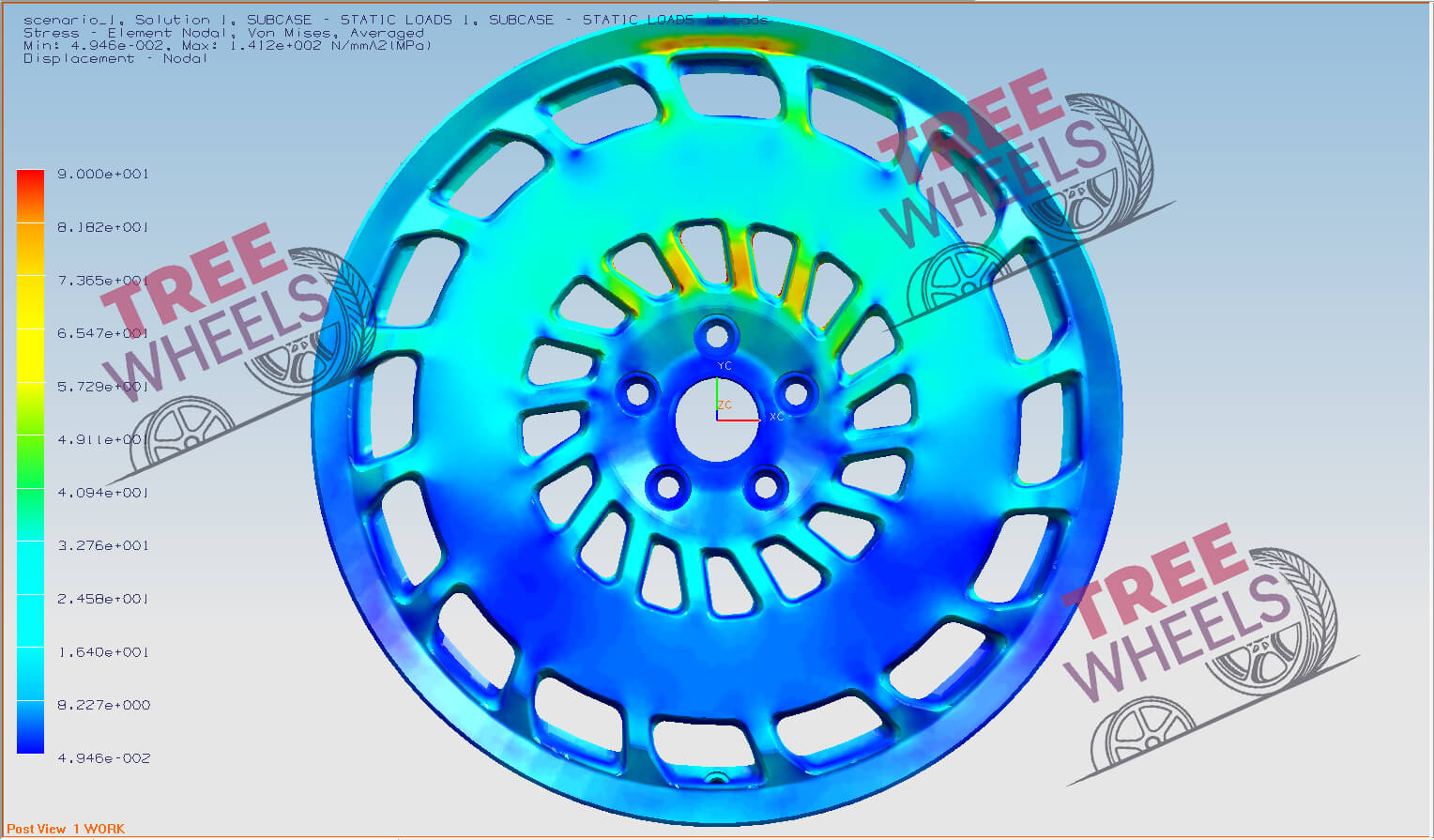
I've witnessed this firsthand in our development facility. When we transitioned from steel to aluminum designs, we achieved weight reductions of 30-40% with relatively straightforward engineering. However, pushing beyond this initial gain becomes increasingly difficult and expensive.
From a physics perspective, wheel weight reduction follows the law of diminishing returns. When wheels have already been significantly lightened compared to traditional steel wheels, removing another few grams provides virtually undetectable improvements in vehicle efficiency. Yet the costs rise exponentially—requiring more expensive materials, more precise manufacturing processes, and more stringent quality control measures.
Diminishing Returns in Wheel Lightweighting
| Weight Reduction Stage | Relative Benefit | Cost Increase | Safety Impact |
|---|---|---|---|
| Steel to Standard Aluminum | Significant (25-40%) | Moderate | Maintained or improved |
| Standard to Optimized Aluminum | Moderate (5-15%) | Substantial | Slightly reduced margin |
| Optimized to Ultra-lightweight | Minimal (1-5%) | Exponential | Potential compromise |
| Ultra-lightweight to Extreme | Negligible (<1%) | Prohibitive | High risk of compromise |
The more serious concern involves safety margins. Wheels must withstand complex dynamic loads during driving. Necessary strength reserves provide critical protection during extreme conditions like high-speed impacts with road hazards or side impacts. When lightweighting design squeezes these safety margins, catastrophic failures become possible under unexpected conditions.
Vehicle lightweighting should be approached as a holistic system optimization across the entire vehicle—body structure, powertrain, chassis tuning, and more. Concentrating excessive weight reduction pressure on wheels alone, especially emphasizing "unsprung weight reduction," neither follows optimization principles nor adequately addresses safety concerns. The pursuit has become more about marketing claims than measurable performance benefits for consumers.
How Can We Reclaim the Visual Purpose of Aluminum Wheels from Technical Overcomplexity?
We need to reset our priorities. Technical excellence should serve beauty, not obscure it. How can our industry rediscover its visual roots?
Reclaiming the visual purpose of aluminum wheels requires prioritizing design aesthetics over technical specifications, establishing balanced standards that maintain safety without excessive testing, and educating customers about what truly matters in wheel selection. The industry must shift resources back to visual innovation rather than pursuing marginal technical improvements.
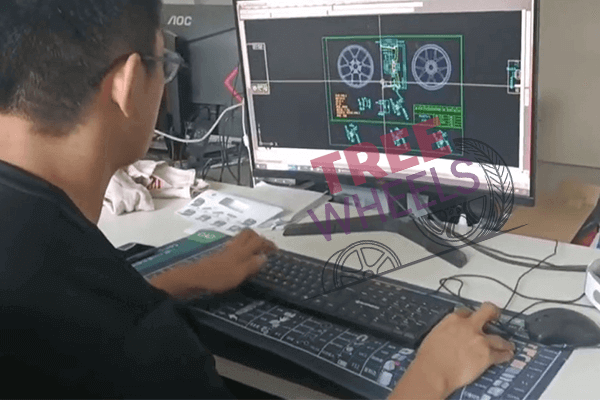
After decades in wheel manufacturing, I've come to appreciate the wisdom in simplicity. The most successful wheel designs in our catalog aren't necessarily the most technically advanced—they're the ones that strike the perfect visual harmony with vehicle designs while maintaining appropriate safety margins and production efficiency.
To reclaim the visual purpose of aluminum wheels, we need a multi-faceted approach that balances aesthetics, technical requirements, and business realities. This starts with recognizing what consumers actually value in wheel design and aligning our development priorities accordingly.
Strategies for Reclaiming Visual Purpose in Wheel Design
| Strategy Area | Current Industry Practice | Recommended Approach |
|---|---|---|
| Design Priority | Technical specifications first | Aesthetic design vision first |
| Testing Standards | Proliferating redundant tests | Consolidated, meaningful safety validation |
| Marketing Focus | Technical jargon and specifications | Visual impact and style compatibility |
| Production Efficiency | Constant new designs with minimal sharing | Platform approach with style variations |
| Innovation Direction | Marginal weight reduction | Surface treatments and visual differentiation |
I've seen promising signs in this direction. Some leading domestic manufacturers have adopted a "one design, multiple vehicle applications" approach—using the same wheel design across different vehicle models by adjusting mounting parameters like ET and PCD. This seemingly "retro" approach actually demonstrates profound industry wisdom: it significantly reduces development costs, allows mold sharing for wheels of the same diameter, and satisfies aesthetic continuity. Consumers who appreciate a classic wheel design can enjoy it across different vehicle models, strengthening brand recognition and heritage.
This approach places aesthetics at the forefront while acknowledging business realities. By focusing resources on perfecting fewer exceptional designs rather than proliferating marginally different technical variations, manufacturers can deliver better value to consumers while improving their own profitability.
Conclusion
Aluminum alloy wheels exist primarily to make vehicles look better—everything else is secondary. By returning to this fundamental truth, we can create wheels that truly satisfy what customers want while maintaining safety and profitability.
This article is excerpted from Mr. Wang Juguang's WeChat public account, offering valuable insights into the aluminum alloy wheel industry's core principles.